About Focus Research Program

The Materials Physics and Renewable Energy Research Group explores how matter behaves, with a view to engineering that behaviour to harvest, convert, store and save energy. Our work ranges from the atomic level to device-scale applications, including the discovery and tailoring of materials such as semiconductors, catalysts, membranes and composites, the construction of prototypes for solar, storage, hydrogen and thermoelectric applications, and the validation of performance under realistic conditions. Our multidisciplinary and collaborative approach links physics with chemistry, engineering and data science, and is purpose-driven towards technologies that are efficient, affordable and environmentally responsible. Beyond the laboratory, we contribute evidence to policy discussions and collaborate with industry and government to ensure that research results are quickly implemented. Education is central to our work: students learn through practical projects that demand rigour, creativity and reproducibility.

Our Focus

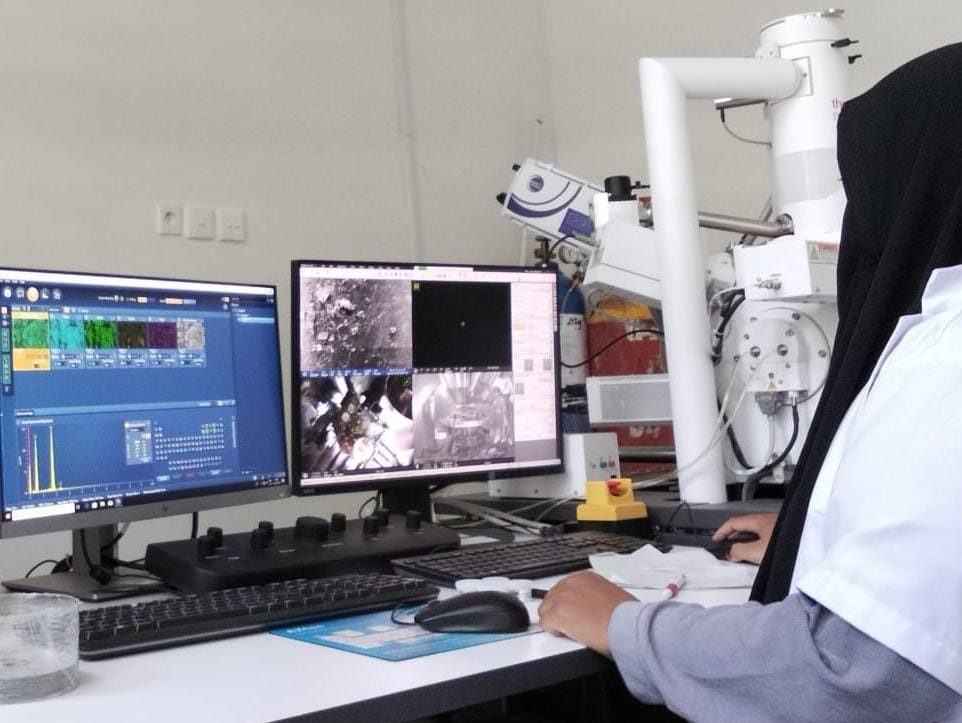
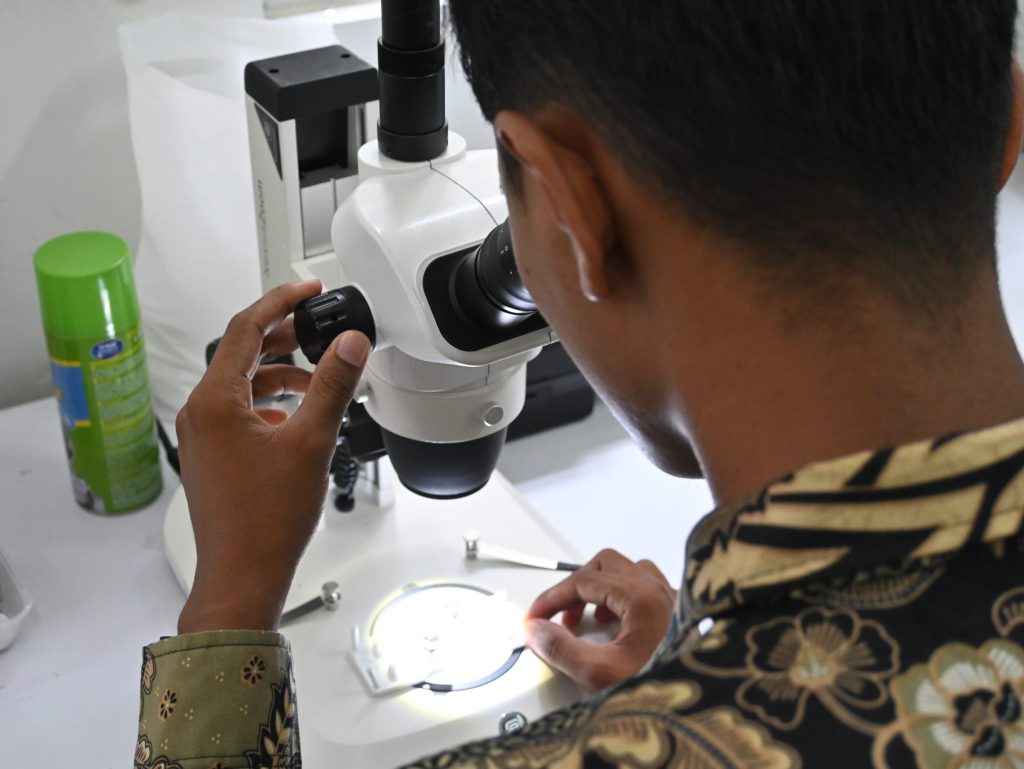
This research focuses on photovoltaic and photonic materials, including thin films, perovskites, tandems, light management, and stability, as well as electrochemical energy storage, emphasizing electrode design, solid electrolytes, fast charging, durability, and end-of-life. It explores hydrogen and green fuels via electrocatalysis, membrane-electrode assemblies, and reactor design. Additionally, thermal and thermoelectric systems using phonon engineering, phase-change media, and waste-heat recovery are studied. The project covers catalysis and functional surfaces, defects, interfaces, corrosion resistance, and coatings, and smart, sustainable materials like 2D materials, nanostructures, polymers, and composites. Across all areas, focus is on advanced characterisation, reliability testing, and modelling, data science, and AI, linking materials innovations to systems with techno-economic, life-cycle, and grid studies.

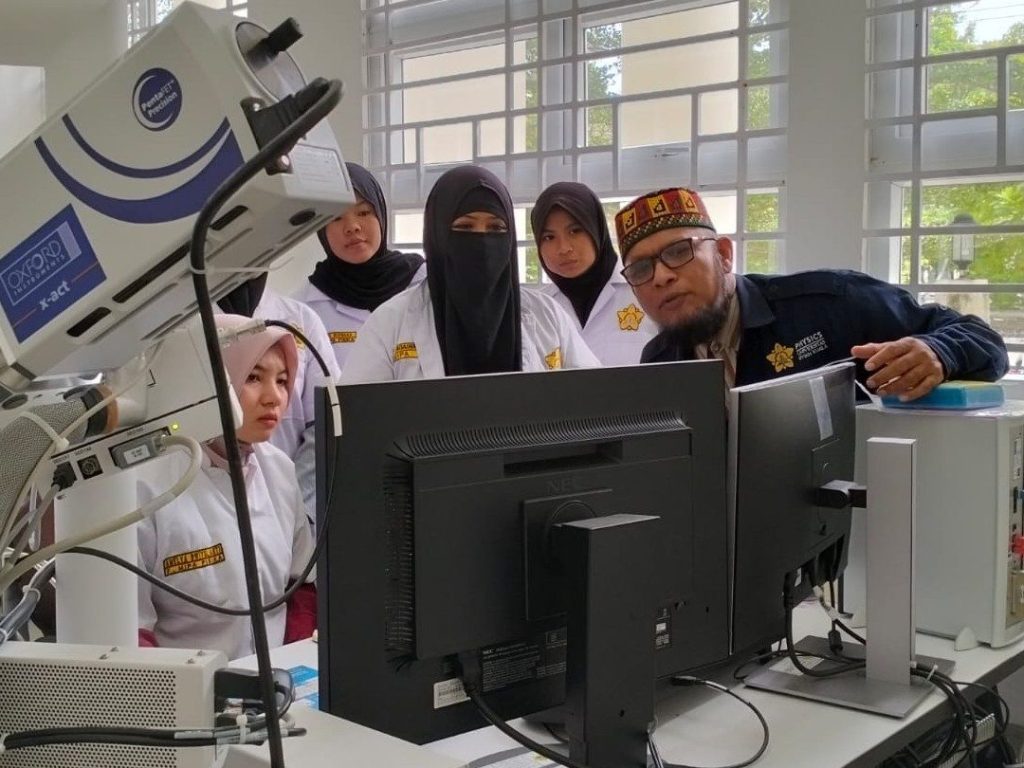
Graduates of the programme will have mastered the principles of materials physics and energy conversion/storage, and will be able to design and carry out experiments using modern synthesis and characterisation tools. They can model and simulate materials and devices using methods ranging from first principles and atomistic approaches to continuum and device-level models, and compare predictions with data. They know how to engineer and test prototypes for photovoltaics, batteries, supercapacitors, fuel cells, electrolyisers, thermoelectrics and thermal management systems. They are data literate in statistics, uncertainty analysis and introductory machine learning, all of which they apply with an emphasis on scientific integrity and safety. They can communicate clearly in writing and in presentations, collaborate effectively using reproducible workflows and version control, manage projects with thorough documentation and understand the broader context of sustainability, standards, techno-economics and the policies that influence real-world deployment.

Gallery Activities

Our Staff

Staff members who prioritize advancing knowledge and research in their specific fields of study.

Research Topics

YearResearch TitleResearch Leader
2021Silicon Carbide (SiC) Extracted from Rice Husk as a Natural Catalyst in Mg-Based Hydrogen Storage MaterialsDr. Zulkarnain, S.Si., M.Si
2021Design of a PCM Performance Testing Device for Thermal Energy StorageGunawati, S.Si., M.Si
2021Development of MgH₂ Hydrogen Storage Materials Using Natural Silica Derived from Rice Husk and Nickel as a CatalystMalahayati
2021Identification of the Physical and Chemical Properties of Premium Export Coffee Varieties from Indonesia After RoastingProf. Dr. Eng. Elin Yusibani, S.Si, M.Eng
2021Study of Biocomposites from Coconut Shells Using Recycled Plastic as a Binder in Waste Utilization EffortsProf. Dr. Ir. Ismail AB, M.Sc
2021Development of Biocomposites for Thermal Insulation Materials from Coffee GroundsProf. Dr. Ir. Ismail AB, M.Sc
2022Development of Coffee Husk Waste and Fly Ash as Catalyst Feedstock in Solid Hydrogen Storage MaterialsDr. Zulkarnain, S.Si., M.Si
2022Development of Ba0.6Ca0.4Fe12O19/Fe3O4/SiO2 Composite Magnets Using Local Raw Materials for Radar Frequency Absorber ApplicationsDr. Zulkarnain, S.Si., M.Si
2022Activated Carbon from Coffee Skin Waste as a Catalyst in Mg-Based Hydrogen Storage MaterialsDr. Zulkarnain, S.Si., M.Si
2023Development of Ba0.6Ca0.4Fe12O19/Fe3O4/SiO2 Composite Magnets Using Local Raw Materials for Radar Frequency Absorbing ApplicationsDr. Zulkarnain, S.Si., M.Si
2023SYNTHESIS AND CHARACTERIZATION OF METHACRYLATE-BASED POLYMER MICROSPHERES FOR BIOSENSOR MATRIX APPLICATIONSEvi Yufita
2023SIMULATION OF THE EFFECTS OF THE NUMBER OF CHANNELS AND FUEL SALT GEOMETRY ON TEMPERATURE DISTRIBUTION IN A FOURTH-GENERATION REACTOR: MOLTEN SALT REACTORProf. Dr. Eng. Elin Yusibani, S.Si, M.Eng
2023DEVELOPMENT OF PALM OIL EMPTY FRUIT BUNCH BIOCOMPOSITES USING EPOXY RESIN ADHESIVE (HIGH-LOAD FILLER BIOCOMPOSITE)Prof. Dr. Ir. Ismail AB, M.Sc
2024Investigation of the Photocatalytic Capabilities of Fe₃O₄-TiO₂ Nanoparticles in the Degradation of Phenolic Compounds and Pesticide WasteDr. Zulkarnain, S.Si., M.Si
2024Measurement and Identification of Brain Wave Activity in Various Subjects and Experimental Treatments Using Electroencephalogram (EEG)Prof. Dr. Eng. Elin Yusibani, S.Si, M.Eng
2024DESIGN AND CONSTRUCTION OF A MICROCHANNEL INTEGRATED WITH A V-CONFIGURATION INDIUM TIN OXIDE ELECTRODE FOR CAPTURING MICROSCALE BIOPARTICLES USING THE DIELECTROPHORESIS METHODProf. Dr. Eng. Elin Yusibani, S.Si, M.Eng
2024Study of the Effect of Alkaline NaOH Treatment on the Performance of Coconut Shell Particle Biocomposites Using Epoxy Resin AdhesiveProf. Dr. Ir. Ismail AB, M.Sc
Translate »